
Speech Pathology Week | Communication at the heart of learning
This Speech Pathology Week, DOBCEL is celebrating the important work of our Diocesan Speech Pathology team and the contribution it makes every day to the learning, wellbeing and inclusion of students across our schools.
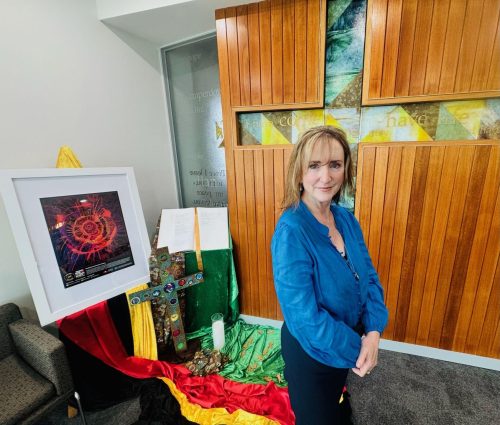
Our diocesan Senior Speech Pathologist, Robyn Cranage, has been part of DOBCEL and Catholic education in the Diocese for an extraordinary 28 years. Across that time, Robyn has seen the role of speech pathology in education evolve significantly. Today, speech pathologists work alongside teachers, school leaders, families and other specialists to support not only speech, but oral language, literacy, social communication and students’ ability to access and participate fully in all aspects of learning.
The need for this expertise is increasingly evident. Speech Pathology Australia reports that one in four Australian children are not developmentally on track with their communication skills when they start school. Communication difficulties can influence a young person’s learning, friendships, confidence, participation and their capacity to express what they know, need and feel.
For our DOBCEL Speech Pathology team, this reinforces the importance of working collaboratively within schools – supporting individual students while also building the capability of educators and creating learning environments where different communication requirements are understood and supported.
As the communication demands facing young people continue to evolve, so too does the role of speech pathology in education. Students need to communicate, question, reason, build relationships and navigate increasingly complex spoken, written and digital environments. Supporting those skills is not separate from education – it is fundamental to learning, belonging and participation.
During Speech Pathology Week, we thank Robyn and our entire Diocesan Speech Pathology team for the expertise, commitment and care they bring to our schools, and for helping ensure every student has the opportunity to find their voice and be heard.
Out-of-Home Care (OoHC) Partnering Agreement: Key information for Catholic schools
The Out-of-Home Care Education Commitment: A Partnering Agreement outlines the responsibilities of schools in supporting children and young people living in Out-of-Home Care (OoHC). The agreement is attached and all schools are encouraged to familiarise themselves with its requirements.
- Every Catholic school must have a trained designated teacher. This requirement applies even if the school does not currently have any students living in OoHC. Despite the title, the designated teacher does not need to be a registered teacher. The role is to act as the school's key contact and support implementation of the partnering agreement.
- Every student in OoHC must have a Learning Mentor. Schools with students living in OoHC are required to identify a teacher or staff member, in consultation with the student, to act as their Learning Mentor and support their engagement, achievement and wellbeing at school.
Please refer to the attached Partnering Agreement and see Appendix 1: School Responsibilities Checklist for a full summary of school obligations.
Student wellbeing health check
Thinking about your wellbeing priorities for 2027 in your annual action plan
We encourage your leadership team and staff to complete the student wellbeing health check.
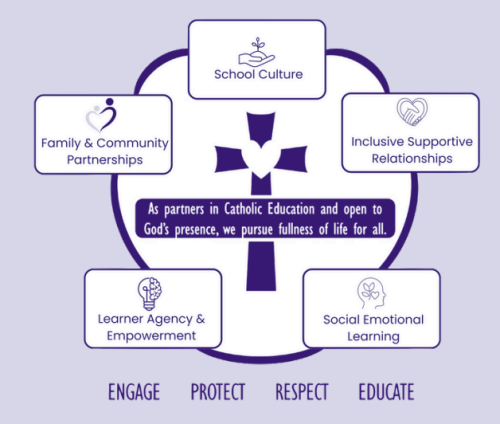
The health check is aligned with the Student Wellbeing Framework, which was developed for DOBCEL in 2023. It is linked to each element of student wellbeing and helps schools identify strengths, priorities, and areas for further development or enhancement.
The wellbeing health check takes approximately 15 minutes for staff to complete. The information gathered provides valuable data to measure wellbeing priorities and support ongoing improvement planning.
Watch the Wellbeing online health check guide on this link: https://www.dobcel.com/video-guide
SWPBS Schools: Tiered Fidelity Inventory (TFI)
For schools implementing School-Wide Positive Behaviour Support (SWPBS), the Tiered Fidelity Inventory (TFI) process is now upon us. The TFI is an evaluation tool used to measure the impact and implementation fidelity of SWPBS practices, while also helping schools identify priorities and set targets for 2027. Please reach out to the SWPBS coach to co-facilitate and administer this tool.
If you require support in utilising either of these tools, please reach out to your Student Wellbeing leader for assistance.
Link: https://www.pbisapps.org/resource/tfi


Reminder: Online Briefing Session – 9 September
We are hosting an online briefing session outlining what the commitment to School-wide Positive Behaviour Support (SWPBS) will look like for schools considering implementation in 2027. This session will provide an overview of the process, expectations and supports available.
If you’d like to find out more about this, please contact Anne Ruddell aruddell@dobcel.catholic.edu.au or join via the SWPBS briefing Link