November, the Month of Remembrance
The month of November is traditionally a time in which the Catholic community remembers those who have died and this week we celebrated the Feast of All Saints, and the Feast of All Souls. It is related to the fact that the end of November is the end of the Liturgical Year with a new year starting the First Sunday of Advent – the four-week period of preparation before Christmas. The Church then uses this end of the year period as a time to think of the impermanence of life and the great hope that our earthly end is a transition into a new life.
We remember those who we have loved, our parents, family members colleagues and friends. We remember the lives they lived, the sacrifices they made, the fun we shared with them and even their flaws and complexities. We give thanks for those who have gone before us and we look with prayer and hope to their new life of peace, comfort and love with God.
“All across the world, plants and flowers, trees and flags, mementoes and framed photographs stand on quiet graves to mark that communion of life that one generation feels with another.
Our souls stretch always forward, yes, but our hearts stretch always back. The chain of life never breaks, the shape of soul never strains beyond what formed us, what filled us with life in the first place.” - Joan Chittester, OSB.
Remembrance Day
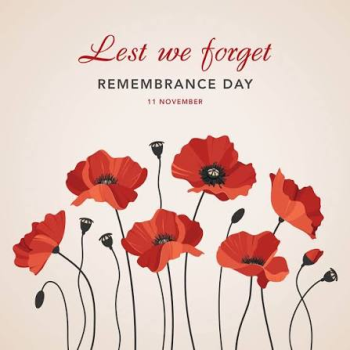
On 11 November, we will commemorate Remembrance Day. It is a solemn day of national commemoration dedicated to honouring Australians who died or suffered in wars, conflicts, and peacekeeping operations. Marked by a silence at the 11th hour of the 11th day of the 11th month, it links people to the moment in 1918 when fighting ceased on the Western Front after over four years of devastating warfare.
Originating as Armistice Day to remember the dead of the First World War, it was renamed after the Second World War to include all who have served and fallen, with enduring symbols like the red poppy reflecting its deep roots in shared sacrifice and remembrance.